
Using Your Home as an Office
Using your home as an office can provide valuable tax deductions for self-employed individuals and business owners. HMRC allows you to claim a portion of household costs, but there are strict rules to follow to ensure compliance and avoid penalties.
Experience
How Home Office Claims Work for Tax Purposes
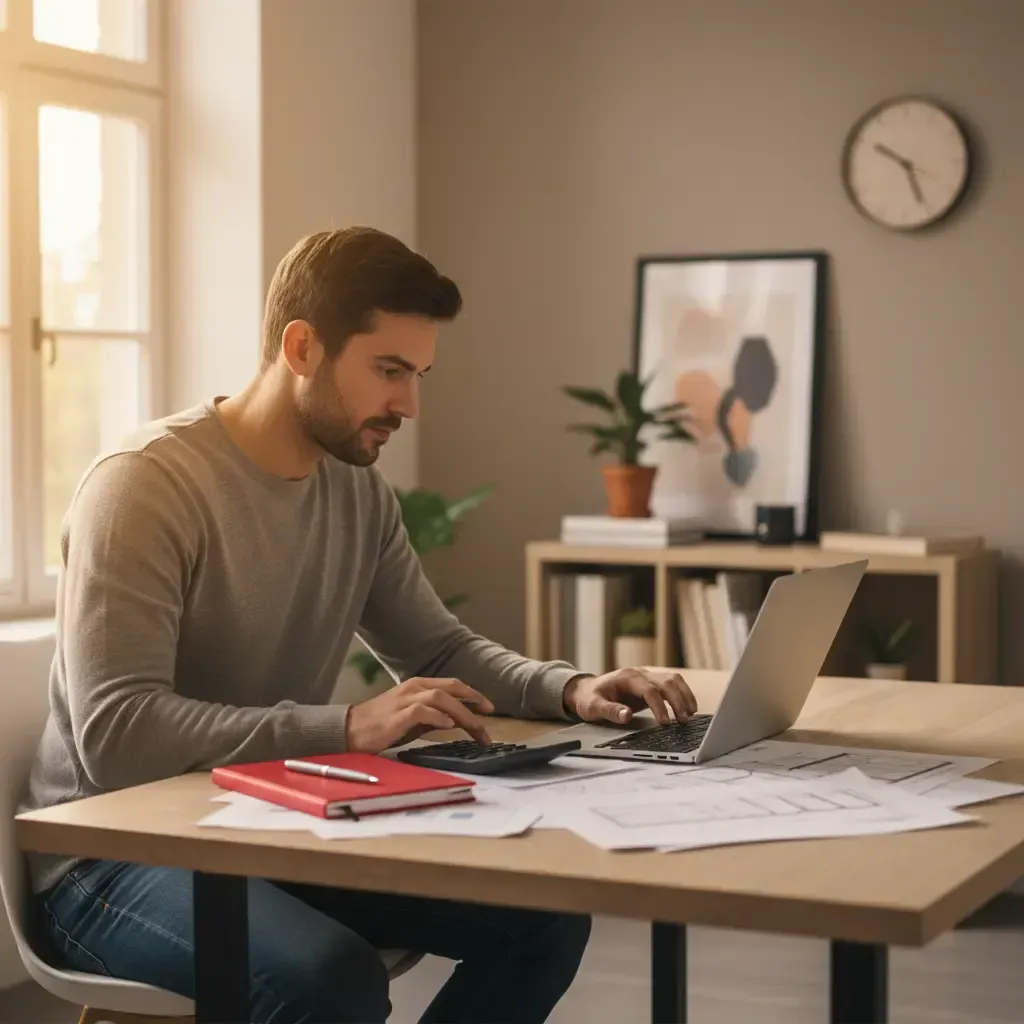
HMRC allows you to claim a proportion of household running costs if you use part of your home exclusively for business. This includes expenses like heating, lighting, and internet, based on the amount of business use, and applies to sole traders, limited company directors, and partnerships.
For example, if you have a dedicated home office used 40% for business, you can claim 40% of allowable costs. It's crucial to have clear records, such as diary entries or time logs, and ensure the space is used regularly and exclusively for work to avoid HMRC challenges or disallowances.
10th
Experience
10th
Experience
What Home Office Expenses You Can Claim
HMRC permits various costs when using your home as an office, helping you offset business expenses against your tax bill. Here are the key expenses you can include in your claim, with specific details to guide your calculations:
Heating costs – calculate based on room size and usage time for business activities, such as during work hours.
Electricity – similar to heating, claim the business proportion for lighting and powering equipment like computers and printers.
Council tax – if you have a dedicated office room, claim the proportionate amount based on floor area used for business.
Mortgage interest or rent – for the portion of your home used for business, but exclude capital repayments which are not allowable.
Internet bills – claim the percentage used for work, such as for emails, research, and cloud accounting software like Xero.
Phone bills – business calls and data usage, keeping records of work-related numbers to support your claim.
Home insurance – if increased due to business equipment, claim the extra cost for covering valuable items.
Cleaning – only for the office area, if you hire cleaning services specifically for that space, not general household cleaning.
Repairs – maintenance costs directly related to the home office, like fixing a broken window in that room or repainting walls.
Furniture and equipment – claim through capital allowances or annual investment allowance for items like desks, chairs, and computers used exclusively for business.
10th
Experience

10th
Experience
Common Mistakes and When to Seek Advice
A common error is claiming for non-exclusive use – if your home office is also used personally, HMRC may disallow the claim. Also, avoid overestimating the business use percentage; be realistic and maintain evidence like time logs or appointment diaries to support your calculations.
If your home office claims are complex, such as for multiple rooms, high-value equipment, or if you're unsure about HMRC rules, getting professional advice can ensure compliance and maximize your deductions. Many contractors and small business owners in Brynteg and across North Wales find it helpful to consult with experts like JD Accountancy to avoid penalties and save time.
10th
Experience
10th
Experience
Let's Connect
Get In Touch With Us
The easiest way to reach us is by phone from 7am to 7pm on weekdays, or email and WhatsApp anytime. We offer flexible appointments outside standard hours, including weekends when needed.
Initial conversations are free and without obligation. We'll listen to your situation, answer your questions, and provide clear advice on how we can help reduce your admin stress. Most clients appreciate the direct access to our director for personalized support.
Stay up to Date on Business & UK Finance
Worried you'll fall behind with what HMRC is up to? Never miss another change that affects your business again, by subscribing to our monthly newsletter.
JD Accountancy provides personal accounting and tax services for contractors and small businesses in Brynteg and across North Wales. Contact us for a free consultation and see how we can help reduce your admin stress.


Core Pages
Information

Address
Not specified on website, Brynteg, LL11 6LS, United Kingdom

Call Us
+44 1978 254664

JD Accountancy is a Limited Company with Registered Company Number 09320136
© 2026 JD Accountancy | Website by Fiscal Flow